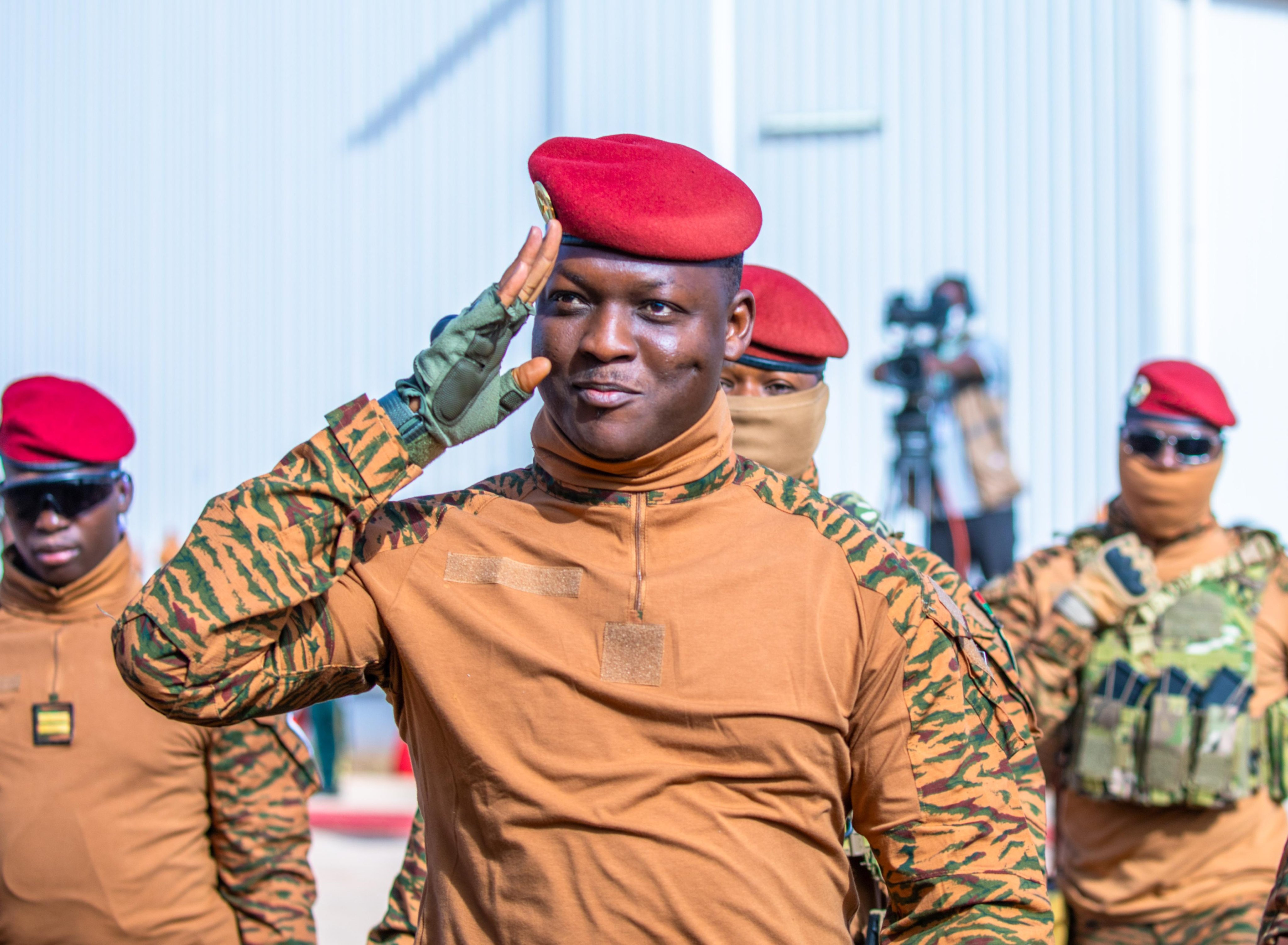
Who is Ibrahim Traoré? Ibrahim Traoré, Burkina Faso's military leader, his rise to power, Pan-African message, leadership decisions and the lessons African youth can learn. - Skulearn
A young army captain became one of the most talked-about political figures in Africa. His speeches travelled across continents, his image became a symbol for supporters of African sovereignty, and his name sparked fierce debate about what leadership on the continent should look like.
His name is Ibrahim Traoré.
To some, he represents a new generation of African leadership, a leader determined to challenge foreign influence and demand greater control over Africa's resources. To others, his military government raises serious questions about democracy, human rights, accountability and whether revolutionary language can deliver lasting change.
Both sides are important if we want to understand his story.
At Skulearn, we believe young people should learn to examine leaders beyond slogans, uniforms, speeches and social media videos. They should ask difficult questions, study decisions, understand consequences and develop the courage to think independently.
This is the story of Ibrahim Traoré and the lessons his rise to power offers Africa's next generation.
- From university student to army captain Ibrahim Traoré was born on 14 March 1988 in Kéra, Burkina Faso. He studied geology at the University of Ouagadougou, graduating in 2010, before entering military training at the Georges Namoano Military Academy.
His journey is interesting because it did not begin in a political party or a presidential office. He was a university graduate who entered the military and served in regions affected by armed conflict.
He rose through the ranks, becoming a captain in 2020. His military experience placed him close to the security challenges facing Burkina Faso, a country that had been struggling with attacks by armed groups and a growing humanitarian crisis.
These experiences formed part of the background to his emergence as a national political figure.
- How Ibrahim Traoré came to power Burkina Faso experienced two military coups in 2022.
In January, military officers removed elected President Roch Marc Christian Kaboré. Lieutenant Colonel Paul-Henri Damiba subsequently became the country's leader.
However, insecurity continued, and dissatisfaction grew within parts of the military. On 30 September 2022, Traoré led another military takeover, removing Damiba.
On 21 October 2022, Traoré was sworn in as President of Burkina Faso under a military-led transitional arrangement.
His rise was dramatic. At 34, he became one of the youngest national leaders in the world.
But taking power and governing successfully are two very different challenges.
The expectations were enormous. People wanted security, economic opportunities, better living conditions and a government that could respond to the country's serious problems.
Traoré had inherited a country facing a difficult security crisis. His government would have to prove that it could do more than promise change.
- Why Ibrahim Traoré became popular across Africa One of the most important reasons for Traoré's popularity is his message about African sovereignty.
He speaks against what he sees as continued foreign interference in African affairs. He questions the unequal relationships between African countries and powerful external nations, and calls for African countries to exercise greater control over their resources and development.
His message resonates with people who are frustrated by poverty, unemployment, corruption, dependency and the feeling that Africa's enormous natural wealth has not translated into prosperity for ordinary citizens.
His government moved away from its former military relationship with France and strengthened ties with Russia. It has also promoted domestic production, national control over strategic resources and greater economic self-reliance.
For many young Africans, these positions represent a refreshing challenge to the political status quo.
But a powerful message must eventually produce measurable results.
Patriotism is important. National sovereignty matters. Economic independence is worth pursuing. Yet these ambitions must be supported by effective institutions, responsible leadership, opportunities for citizens and improvements in everyday life.
A country is not transformed by speeches alone.
- The difficult questions behind the popularity An honest Ibrahim Traoré biography cannot focus only on his popularity and Pan-African message. His government also faces serious criticism.
Burkina Faso continues to experience severe insecurity. Armed groups remain a major threat, civilians have suffered, and millions of people have been affected by displacement and humanitarian hardship.
Human Rights Watch has raised concerns about alleged abuses by security forces, accountability and restrictions on civic freedoms. Political parties were dissolved in January 2026, while the military-led authorities have moved further away from an early return to civilian democratic government.
Traoré has also publicly questioned the suitability of democracy for Burkina Faso.
These developments matter because leadership should be judged not only by what a leader says they want to achieve, but also by how power is exercised and how citizens are treated.
A leader who speaks about freedom and sovereignty must also consider the freedoms and rights of the people they govern.
This is an important lesson for young Africans: never surrender your ability to think critically simply because you admire a leader's message.
You can support African independence while asking questions about governance. You can appreciate a leader's ambition while examining their record. You can demand accountability from foreign powers and African governments alike.
Independent thinking is not disloyalty. It is part of responsible citizenship.
- What young Africans can learn from Ibrahim Traoré Whatever one's political position, Traoré's rise provides several lessons worth examining.
Lesson 1: Education and preparation matter.
Traoré studied geology before pursuing a military career. His path reminds us that leadership can emerge from different professional backgrounds. Young people should take their education seriously, develop useful skills and remain open to opportunities beyond their original plans.
Lesson 2: Understand the problems you want to solve.
His political message is built around issues that affect many African countries: insecurity, foreign influence, economic dependence and control of natural resources.
If you want to lead, do not simply repeat popular slogans. Study the problems. Understand their history. Listen to the people affected and develop practical solutions.
Lesson 3: Courage must be accompanied by responsibility.
Challenging established systems can require courage. But leadership is not simply about being bold or controversial. It also requires accountability, respect for human dignity, sound judgement and the willingness to accept criticism.
Lesson 4: National resources should create opportunities for citizens.
Africa's mineral wealth, agricultural potential and human talent should contribute to better education, healthcare, infrastructure, employment and living standards.
Young Africans should learn about economics, entrepreneurship, technology, governance and responsible resource management. Demanding development is important, but understanding how to build it is equally important.
Lesson 5: Do not confuse popularity with performance.
Social media attention can make a leader appear more successful than their actual record demonstrates. Equally, criticism does not automatically make every decision wrong.
Learn to examine evidence, compare promises with outcomes and ask who benefits from particular policies.
Lesson 6: Africa needs strong institutions, not only powerful personalities.
A nation's future should not depend entirely on one individual. Sustainable development requires capable institutions, accountable public servants, independent systems of justice, responsible leadership and citizens who can participate meaningfully in national life.
The strongest legacy a leader can leave is not simply a loyal following. It is a country with the institutions and opportunities to keep progressing beyond that leader's time in office.
- The bigger question: What kind of Africa are we building? Ibrahim Traoré has become an important figure in conversations about African sovereignty, leadership and the future of the continent.
His supporters see a leader challenging old relationships and demanding a different direction. His critics point to insecurity, restrictions on political freedoms and questions about the concentration of power.
The most important question is not whether young Africans should blindly admire or reject him.
It is whether they are prepared to understand the issues his rise has brought into the spotlight.
What does genuine African independence look like?
How can African countries manage their natural resources responsibly?
How can governments create jobs and opportunities for young people?
How can national security be strengthened without sacrificing human rights?
How can African leaders build institutions that serve citizens rather than simply protect those in power?
These are questions that deserve serious attention, research and debate.
Africa does not need young people who merely celebrate personalities. It needs informed citizens, ethical entrepreneurs, creative thinkers, responsible leaders, skilled professionals and problem-solvers who can turn ambition into meaningful progress.
- Why Skulearn shares stories like this At Skulearn, we believe that young people need more than academic knowledge. They need purpose, character, confidence, critical thinking, leadership skills and the ability to understand the world around them.
That is why we explore the stories of influential people, including their achievements, decisions, controversies and challenges.
Through our Role Models platform, we examine the journeys of people whose experiences can help others learn. Through Skulearn Coaches, we encourage personal development and practical growth. Through our Purpose Generation Campaign, we want to inspire a generation that is equipped to contribute meaningfully to society.
Explore more at:
Skulearn: https://skulearn.com
Role Models: https://skulearn.com/role-models
Purpose Generation Campaign: https://skulearn.com/pgen
Skulearn Coaches: https://skulearn.com/coaches
Skulearn learning platform: https://app.skulearn.com
Our message to young Africans is simple: learn from leaders, but develop your own judgement. Be proud of your continent, but be honest about its challenges. Demand better leadership, and prepare yourself to provide it.
Africa's future should not be built by waiting for another hero. It should be built by millions of capable people who are ready to take responsibility.
If you have a story of leadership, resilience, entrepreneurship, service or personal growth that could inspire others, we invite you to share it with us at stories@skulearn.com.
Skulearn: Learn with purpose. Grow with intention. Become part of the generation shaping the future.
*Ibrahim Traoré, Ibrahim Traoré biography, Burkina Faso president, African leadership, Pan-Africanism.
Who is Ibrahim Traoré?; Ibrahim Traoré leadership style; young African leaders; African independence; Burkina Faso political crisis; leadership lessons for African youth. Ibrahim Traoré, Ibrahim Traoré biography, Burkina Faso president, African leadership, Pan-Africanism.*